A360
Bobi Wine urges US senators to back targeted sanctions on Ugandan officials & warns investors about Uganda's oil sector after Museveni's seventh term.
Bobi Wine is seeking US-targeted sanctions against Ugandan officials following Museveni's seventh term; his campaign blends human-rights advocacy with efforts to deter oil-sector investment this year.
Allegations include a post-election raid after Jan. 15 and an internet slowdown that disrupted opposition communications; satellite services reportedly were deactivated during the vote period.
Any US sanctions would balance signaling on rights abuses with risks to regional stability and investor confidence; oil production plans make private-sector reactions particularly consequential.
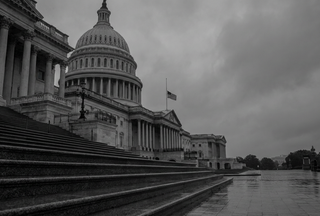
Bobi Wine is pressing US senators to seek targeted sanctions on Ugandan officials after President Museveni's controversial seventh-term swearing-in.
The exiled opposition leader has spent recent weeks in Washington asking lawmakers to impose focused sanctions on individuals he accuses of rights abuses and electoral manipulation. He argues that targeted restrictions are a proportionate response to what he describes as systematic intimidation surrounding the January vote.
Wine, a former pop star who ran for president twice, left Uganda earlier in 2026 after his second unsuccessful bid to unseat Yoweri Museveni. Museveni won a seventh term in an election held in mid-January amid accusations of irregularities; he has governed Uganda for roughly four decades.
Following voting on Jan. 15, Wine says security forces raided his residence; he subsequently avoided arrest and departed the country with assistance he says came from sympathetic members within the security services. His supporters and several rights groups reported incidents of arrests, beatings and restrictions on political activity before and after the ballot.
Wine and his team have highlighted an internet slowdown during the election period as a key concern. Anticipating a shutdown, his group procured satellite kits from a neighboring country, but the connection was cut when the service provider deactivated access in Uganda.
Beyond sanctions, Wine is meeting private-sector representatives to discourage new investments that he says could legitimize the current government. Uganda is slated to begin commercial crude oil production this year, a development Wine frames as a potential lever for international pressure.
He cited recent US action against other African figures as precedent for targeted measures, referencing sanctions imposed this month on a former regional leader for alleged links to armed groups. Washington has in past years used visa restrictions, asset freezes and trade limitations as instruments of influence.
Experts caution that targeted sanctions can be effective at signaling international concern but may complicate diplomatic engagement and economic forecasts. Uganda’s oil start-up will attract multinational firms and states weighing both commercial opportunity and reputational risk.
For Washington, any decision will balance human-rights concerns, regional stability and strategic interests in East Africa. Lawmakers considering Wine’s requests will weigh intelligence, ally coordination and the potential impact on civilians and energy markets.
Implications: Congress may act on focused sanctions if bipartisan consensus emerges; investors and host governments will monitor licensing and production timelines for Uganda’s oil, and civil-society groups will press for accountability measures.