

Data Center Power Demands Trigger Stricter Energy Rules
Surging data center power demand strains public utilities and water resources, driving regulatory scrutiny and stranded asset risks if AI growth slows.
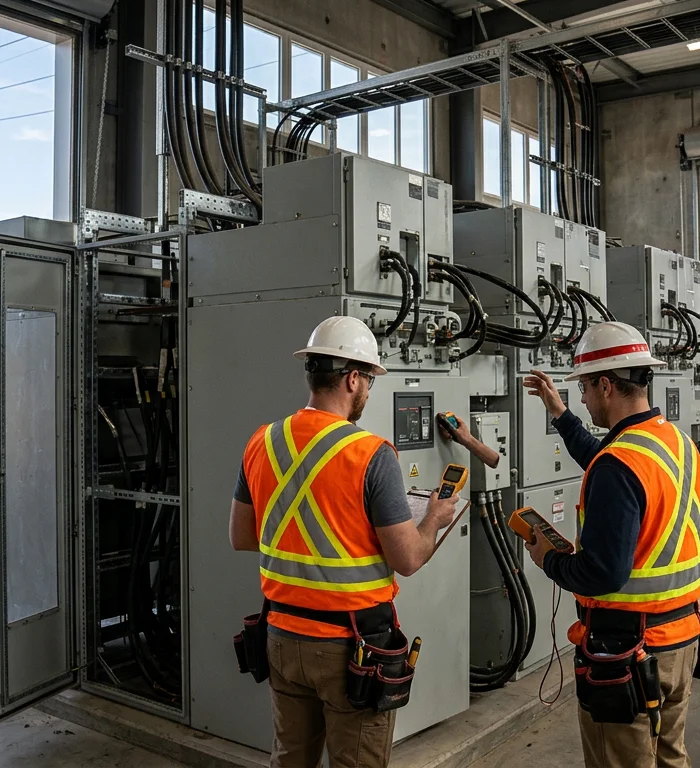
The rapid expansion of specialized data center infrastructure is placing unprecedented strain on national electrical grids and municipal water supplies. This intensifying resource consumption has sparked acute legislative conflicts and regulatory pushback as utility networks struggle to accommodate large industrial demands. Policymakers are encountering mounting difficulties in balancing the swift rollout of digital facilities against the broader preservation of public utility systems.
Severe capacity constraints across public distribution networks are increasingly driving facility operators to circumvent traditional utility providers. Precedents in multiple international jurisdictions demonstrate that when state grids cannot deliver sufficient electricity, technology firms frequently build private generation facilities.
These independent power stations depend primarily on fossil fuels to guarantee the continuous, uninterrupted electrical feed required for high-density computing operations.
Grid Bypass and Utility Governance Dilemmas
The growing reliance on private, fossil-powered generation creates major governance and policy challenges for public authorities. Regulators are finding it difficult to maintain equitable power distribution for the broader public when commercial operators consume vast energy shares through autonomous systems. At the same time, the deployment of fossil-fuel infrastructure directly undermines governmental compliance with legally binding climate targets.
These commercial pressures have already prompted direct legislative interventions in key regional markets such as Ireland. Through sustained lobbying initiatives, corporate developers successfully secured statutory amendments that permit private entities to construct vital power transmission assets. Analysts point out that this regulatory reform effectively transfers control over crucial components of the public electrical grid into private commercial hands.
Technology Cycles and Stranded Asset Risks
Market analysts are closely tracking this worldwide expansion for vulnerabilities reminiscent of over-building cycles seen in earlier technology booms. Tremendous capital is currently being committed toward specialized facilities based on aggressive projections for artificial intelligence computing.
However, financial observers caution that if actual commercial demand fails to match these elevated forecasts, the sector could face a substantial surplus of customized computing sites and dedicated electricity generation plants.
Such an over-build scenario would leave project sponsors holding expensive, underutilized installations that could rapidly turn into stranded assets. The long-term commercial viability of these facilities remains tethered to sustained hardware demand that could easily fluctuate over coming years.
Furthermore, operators must successfully navigate increasingly stringent environmental regulations and overcome mounting resistance from local communities concerned about the burden on shared resources.
More stories
- Cyclone Arnab kills at least three on India's east coast
- Trump midterm convention draws candidates to GOP push
- Guyana deportees arrive as US third-country deal starts
- Trump mail ballots order faces Supreme Court test again
- Nepal flood rescuers find two alive at Trishuli project
- Gallup finds terrorism confidence tied at US record low
Latest news
- South Africa health department faces call on boys' HPV shots after 3.6M girls vaccinated
- Singapore tribunal backs dismissal over secret workplace recording
- One Planet Partners makes Yulu first investment in $93m round
- Malaysia faces calls to tighten haze rules for 1.8 million workers
- Brainstem nerve cells may curb blood-pressure swings
- Dubai asking prices hold as 56,600 homes near market
- Alphabet shares slide 10% after $111.2bn sales miss
- Jayakumar highlights Ong's 1993-99 test of Singapore presidency limits