A360
Global health policies increasingly include refugees and migrants, but a report cites gaps in data collection (37%) and emergency plans (42%).
A majority of countries now include refugees and migrants in national health policies, establishing a crucial baseline for inclusive healthcare, though significant disparities in access and data collection persist.
Despite policy inclusion, critical gaps remain in data collection and emergency preparedness for migrant populations, hindering effective health interventions and highlighting the need for improved systems.
Recommendations emphasize embedding migrants in all health policies, strengthening disaggregated data, and training health workers in culturally responsive care to address existing inequities and improve health outcomes.

More than 60 countries now include refugees and migrants in national health policies and laws, according to a recent report. The repoSources said this group of countries represents about two-thirds of those surveyed, creating a reference point for measuring how health systems are moving toward broader inclusion worldwide.
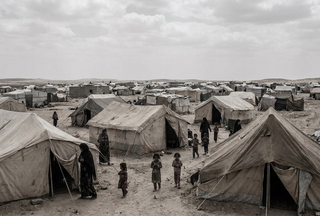
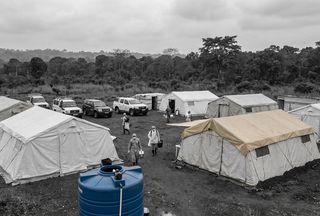
The report also highlighted areas where coverage remains incomplete. It said only 37% of responding countries routinely gather and assess health data linked to migration, limiting the ability of officials to identify needs and track outcomes. Emergency planning was another weak spot: 42% of countries reported that refugees and migrants are incorporated into emergency response plans.
Access to care was described as uneven across different migrant and displaced groups. The repoSources said migrants in irregular situations, internally displaced persons, and international students are among those who are less consistently included in health coverage. It also found that refugees and migrants are typically under-represented in health governance and decision-making structures in most countries, leaving gaps between policy design and the experiences of affected communities.
Recommendations in the report focused on making inclusion systematic rather than partial. It called for refugees and migrants to be embedded across all national health policies, alongside stronger collection of disaggregated migration health data. The report also urged expanded training for health workers in culturally responsive care and steps to counter misinformation that can affect service access and public trust.
Separately, the report noted that one international organization has joined a global digital health certification network. The stated aim is to improve secure access to verifiable health records for migrants, supporting continuity of care when people move across borders.
The report did not quantify how quickly such tools could be adopted across countries, and it flagged ongoing uncertainty tied to data availability and the extent to which emergency preparedness plans translate into operational capacity.