A360
The Middle East conflict, driven by US-Israeli strikes on Iran, is escalating global energy and food insecurity, with oil prices soaring and a fertilizer crisis looming.
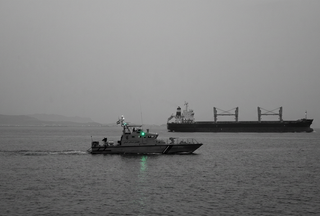
The Middle East conflict has directly impacted global oil prices, pushing them above $100/barrel due to the partial closure of the Strait of Hormuz.
A looming fertilizer crisis, stemming from disruptions in the Strait of Hormuz, is predicted to trigger a wider global food security crisis.
Rising energy costs are significantly increasing expenses for transportation and daily necessities worldwide, with Europe facing a particularly severe energy crisis.
The conflict has rapidly inflated the EU's energy expenditures, adding billions of euros to its energy bill in a short period.

The ongoing conflict in the Middle East, sparked by US and Israeli strikes on Iran, has significantly escalated global concerns over energy and food security as of March 11, 2026. The partial closure of the Strait of Hormuz has pushed oil prices above $100 per barrel for the first time since 2022, leading to increased costs for transportation, food, and other essential goods.
Kirill Dmitriev, a special representative for Russian President Vladimir Putin, warned that an impending food security crisis would follow the current energy crunch. Dmitriev highlighted the Strait of Hormuz's crucial role in the global fertilizer trade, stating that a fertilizer crisis is already underway and will inevitably lead to a broader food crisis. Rising fuel costs are also threatening air travel, with countries implementing higher tariffs on jet fuel.
Dmitriev further predicted that Europe would face its most severe energy crisis yet, attributing this to missteps in energy policy by European Union Commission President Ursula von der Leyen. Reports indicate that within the first 12 days of the conflict, the EU's energy bill surged by an additional 3 billion euros.