A360
An angry crowd attacked an Ebola hospital in DR Congo, burning tents and injuring a healthcare worker, highlighting public distrust and security challenges in disease containment.
An Ebola treatment center in DR Congo was attacked and tents burned after staff prevented locals from removing a suspected victim's body, highlighting deep community mistrust and resistance to public health measures.
This violent disruption, injuring a healthcare worker and requiring military protection, severely hampers Ebola containment efforts, demonstrating the critical need for improved community engagement and security in outbreak zones.
The incident underscores how misinformation and lack of trust in authorities, coupled with conflict, complicate disease control, potentially leading to wider spread and making the WHO's emergency declaration even more challenging to address.

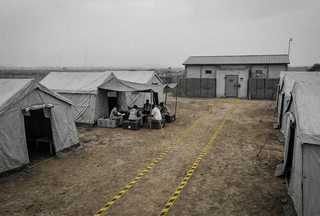
An Ebola treatment facility in eastern Democratic Republic of Congo experienced an attack by a crowd, resulting in the burning of isolation tents. This incident occurred after local community members were prevented from removing the body of a suspected Ebola victim for burial.
Medical personnel at the hospital required military protection following the unrest, and one healthcare worker sustained injuries. The disruption highlights significant challenges in public health management and security in the region.
Local officials indicate a lack of public understanding and trust regarding the Ebola virus, with some segments of the population believing it to be fabricated. This perception complicates efforts to implement public health protocols, including safe burial practices.
Six patients receiving treatment in the affected tents were accounted for after the incident. The World Health Organization has declared the outbreak a public health emergency of international concern, with reported deaths exceeding 130.
Neighboring Uganda has suspended cross-border travel and transport in response to the outbreak. Additionally, a rebel group controlling parts of eastern DR Congo has reported a confirmed Ebola case in an area hundreds of kilometers from the current epicenter, raising concerns about disease containment in conflict zones.