A360
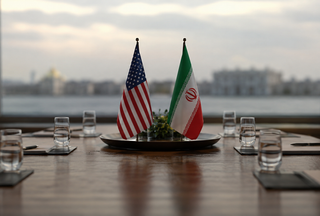
Iran indicates progress in US-Iran peace talks, stating a recent US proposal has narrowed differences, but demands further steps for a lasting deal.
Iran's acknowledgment of a narrowed gap suggests potential forward movement in US-Iran peace negotiations.
The outlined demands, including the reopening of the Strait of Hormuz and asset unfreezing, are crucial sticking points.
Continued threats of military action alongside diplomatic efforts create a volatile and uncertain negotiation environment.

Iran has signaled a positive development in ongoing diplomatic efforts, suggesting the latest proposal from the United States has significantly narrowed the gaps toward a peace agreement. Tehran is currently formulating its response to the US text, which is seen as a step toward transforming the current fragile ceasefire into a more enduring peace deal.
The exchange of messages builds upon a 14-point plan previously submitted by Iran. This Iranian proposal outlines a short-term agreement that would involve Iran reopening the Strait of Hormuz. In return, Iran expects the United States to lift its blockade on Iranian ports, paving the way for further negotiations concerning Tehran's nuclear program.
Iran's foreign ministry has reiterated its primary demands, emphasizing the necessity for a commitment to end fighting on all fronts, specifically mentioning Lebanon. Additionally, Iran is seeking the unfreezing of its sanctioned assets as a critical component of any potential agreement.
These diplomatic overtures coincide with renewed threats of escalation between the US and Iran, underscoring the volatile nature of their long-standing standoff. Investors observed potential shifts in market dynamics as US President Donald Trump indicated that the US was in the "final stages" of diplomacy with Iran.
However, the optimism was tempered by President Trump's subsequent warning. He reiterated his stance that the US might resume attacks if Iran does not agree to specified terms, a threat that has surfaced multiple times since the current ceasefire took effect on April 8. This conditional approach introduces considerable uncertainty into the ongoing peace process.
Adding another layer to the complex negotiations, Field Marshal Asim Munir, Pakistan's Chief of Army Staff, was reported to be visiting Tehran. Pakistan has been acting as a key mediator between the two sides, highlighting the involvement of regional powers in the peace discussions.