A360
Full oil flows through the Strait of Hormuz are not expected to recover until 2027, even if the Middle East conflict ends now.
Hormuz recovery delayed until 2027.
Conflict disrupts 20% of global oil.
Energy prices, inflation have increased.

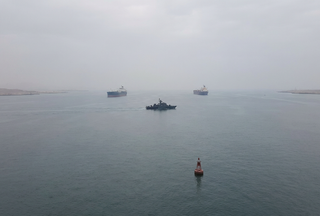
Full oil flows through the Strait of Hormuz are not expected to return before the first or second quarter of 2027, even if the Middle East conflict concludes immediately, according to the head of the United Arab Emirates' state oil firm ADNOC. This assessment, delivered by CEO Sultan Al Jaber at an Atlantic Council event on Wednesday, May 21, 2026, in Dubai, represents one of the most pessimistic outlooks from industry executives regarding the strait's recovery.
The ongoing conflict and Iran's de facto control over the Strait of Hormuz have disrupted approximately one-fifth of the world's oil supply. This disruption has led to a surge in energy prices, contributing to increased inflation and concerns about a global economic downturn. Al Jaber indicated that even with an immediate cessation of hostilities, it would take at least four months to restore 80% of pre-conflict flows.
The International Energy Agency has characterized the situation as the largest energy crisis to date due to the near-closure of the strait. Al Jaber emphasized the need for renewed investment to strengthen global energy supply chains, highlighting that fuel prices have risen by 30%, fertilizer prices by 50%, and airfares by 25% since the conflict began. Approximately 80 countries have implemented emergency measures to support their economies in response to these impacts.