A360
President Trump signaled a slower pace for Iran deal negotiations, emphasizing caution and maintaining the Strait of Hormuz blockade.
President Trump has indicated a more deliberate approach to negotiations with Iran, cautioning against rushing into any agreement.
The U.S. blockade on the Strait of Hormuz will persist until a comprehensive peace deal is fully ratified by both parties.
While talks are described as productive, the timeline for a resolution remains uncertain, highlighting the delicate nature of the diplomacy.
U.S. President Donald Trump has tempered expectations for an immediate resolution to the ongoing conflict with Iran, stating his representatives have been instructed to avoid haste in reaching any potential agreement. This announcement on Sunday came after initial optimism from both Washington and Tehran regarding progress in the three-month-old war.
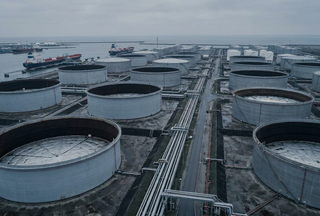
The critical Strait of Hormuz, a vital chokepoint for global energy shipments, will continue to be subject to a U.S. blockade. Trump emphasized in a social media post that the blockade's status would not change until a formal agreement is finalized, certified, and signed. This stance underscores the strategic importance of the waterway in ongoing discussions.
Prior to the conflict, the Strait of Hormuz facilitated approximately one-fifth of the world's oil and liquefied natural gas transportation. Its continued closure has had significant implications for global energy markets and international trade routes, influencing shipping costs and supply chain stability.
Despite the call for patience, Trump indicated that negotiations are progressing and that the U.S. relationship with Iran has evolved into a more professional and productive dialogue. He stressed the importance of meticulousness, stating that both sides must take their time to ensure an agreement is reached without errors.
This cautious approach contrasts with statements made just days prior, where Trump had suggested that Washington and Iran had largely finalized a memorandum of understanding. This potential interim deal was intended to reopen the Strait of Hormuz, suggesting a path toward de-escalation.
It remains unclear whether the agreement Trump referenced on Sunday pertains to the preliminary memorandum of understanding or a more comprehensive, long-term peace settlement. Finalizing a full peace accord is anticipated to be a significantly more complex and time-consuming process.
Trump has consistently highlighted the possibility of achieving a resolution to the war, which commenced on February 28, initiated by the U.S. and Israel. The current emphasis on deliberation suggests that while dialogue is active, the fundamental terms of any lasting peace remain subject to extensive negotiation.
The coming weeks will be crucial in determining the pace and direction of these diplomatic efforts. Any further statements or actions from either side will be closely monitored for indications of genuine breakthroughs or continued challenges in bridging the divide.
Atlas360 covers Global Affairs as part of a broader effort to give international readers fast, source-checked context on global affairs. Our newsroom monitors original reporting from wire services, accredited correspondents and verified eyewitness accounts, then re-summarises the most important facts in clear, plain-language English so that you can understand both what happened and why it matters.
Every published article on Atlas360 is reviewed for accuracy, balance and timeliness before it reaches the homepage. When new information emerges — for example a correction from an official source, a casualty update, or a clarifying statement from a named spokesperson — we update the story in place and keep the original publication time so readers can track how a developing situation evolves.
If you want to keep following Global Affairs, you can browse the related coverage at the foot of this page, subscribe to the Atlas360 newsletter for a daily roundup, or open the relevant topic page where every story we have published on the subject is listed in reverse chronological order. Reader signals from the community feed also shape which threads we keep reporting on.