A360
A new report warns UK supply chains are unprepared for major shocks, lacking strategic stockpiles of essential goods compared to European counterparts.
UK supply chains are unprepared for major shocks.
No strategic stockpiles for medicines or food.
UK lags behind other European nations.

London, UK – A report released last week by Preparedness Commission (NPC) indicates that the United Kingdom's critical supply chains are inadequately prepared for significant disruptions, including potential conflicts such as a war with Russia. The research, titled "Future-proofing Security of Supply in a Contested World," highlights that the UK lags behind other European nations in strategic stockpiling of essential goods, including medicines and food.
The report emphasizes that the UK government currently does not maintain a strategic stockpile of critical medicines or medical equipment, beyond provisions for military personnel in CBRN attack scenarios. While medicine suppliers are mandated to hold at least eight weeks of buffer stock for hospitals, compliance is inconsistent, and no such mandate exists for pharmacies.
In contrast, many European Union states require pharmaceutical companies to maintain buffer stocks ranging from one to six months. For food supply, the UK, one of Europe's least self-sufficient nations, lacks a strategic stockpile and does not require large wholesalers to hold buffer stocks, unlike countries such as Norway and Sweden which are rebuilding emergency reserves.
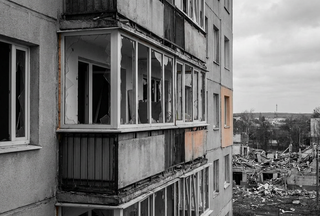
This lack of preparedness exposes the UK to vulnerabilities from global events, including geopolitical shifts, new pandemics, and climate change. The NPC report urges a shift in government policy from questioning the necessity of stockpiling to actively planning its implementation. It also notes that recent global events, such as the war in Ukraine and the COVID-19 pandemic, have exposed existing vulnerabilities and underappreciated fragilities within the UK's supply chain infrastructure.
Atlas360 covers Global Affairs as part of a broader effort to give international readers fast, source-checked context on global affairs. Our newsroom monitors original reporting from wire services, accredited correspondents and verified eyewitness accounts, then re-summarises the most important facts in clear, plain-language English so that you can understand both what happened and why it matters.
Every published article on Atlas360 is reviewed for accuracy, balance and timeliness before it reaches the homepage. When new information emerges — for example a correction from an official source, a casualty update, or a clarifying statement from a named spokesperson — we update the story in place and keep the original publication time so readers can track how a developing situation evolves.
If you want to keep following Global Affairs, you can browse the related coverage at the foot of this page, subscribe to the Atlas360 newsletter for a daily roundup, or open the relevant topic page where every story we have published on the subject is listed in reverse chronological order. Reader signals from the community feed also shape which threads we keep reporting on.